
 Support@cbd-international.clinic




Blog
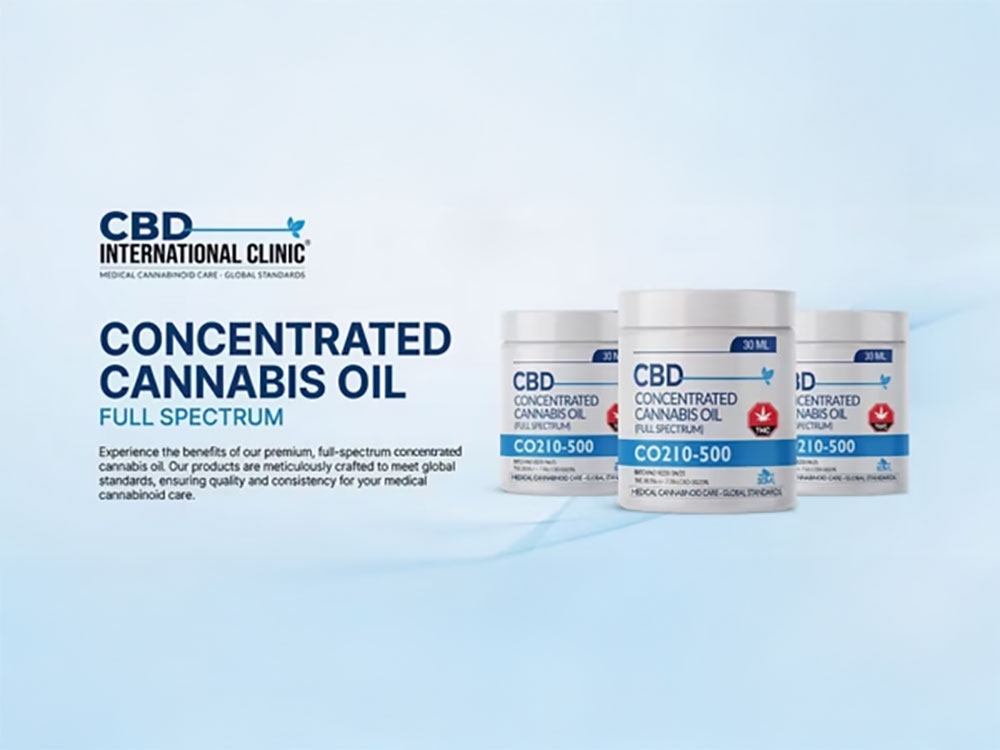
Top 10 Reasons to include CO210-500 Series as Part of a Cancer Support/Treatment Protocol

-
Can help support pain control when conventional options are not enough, especially in palliative care settings.
-
Can help reduce chemotherapy-related nausea and vomiting, one of the better-supported cannabinoid uses in cancer care.
-
Can support appetite in patients struggling with weight loss, food aversion, or reduced intake.
-
Full-spectrum formulation may provide a broader cannabinoid and terpene profile than isolated THC or CBD products.
-
High-potency format may be useful when lower-strength cannabis oils do not provide adequate symptom relief.
-
Non-smoking option, avoiding the respiratory risks associated with smoked cannabis.
-
Can assist sleep quality, especially when pain, anxiety, or treatment discomfort disrupt rest.
-
Can support emotional comfort, including distress, anxiety, and end-of-life discomfort, though evidence is more mixed than for nausea and pain.
-
Flexible dosing potential, allowing gradual titration under guidance instead of a one-size-fits-all approach.
-
Can be integrated as supportive care, not as a replacement for oncology treatment, chemotherapy, radiation, immunotherapy, surgery, or physician-directed palliative care.
Important: cannabis products do not cure cancer, and should be used only with medical oversight, especially with high-THC products, other medications, heart conditions, psychiatric history, pregnancy, or breastfeeding.