
 Support@cbd-international.clinic




Blog
Apoptosis and Autophagy: THC has been shown to trigger programmed cell death (apoptosis) and self-digestion (autophagy) in cancers such as glioma (brain), breast, prostate, and pancreatic cancer.

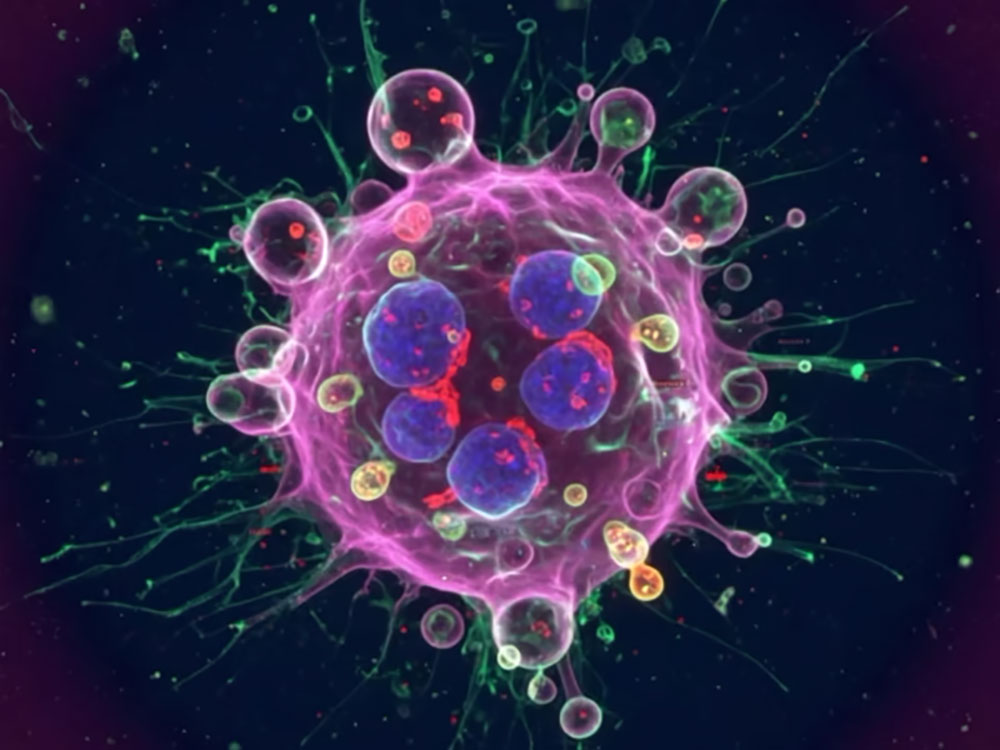
Apoptosis and Autophagy – How THC Interacts with Cancer Cells
What are apoptosis and autophagy? Apoptosis is a form of programmed cell death, essentially a built-in mechanism that allows the body to eliminate damaged or abnormal cells in a controlled way. Autophagy, on the other hand, is a cellular “self-cleaning” process where cells break down and recycle their own components. While autophagy can help healthy cells survive under stress, in certain contexts it can also contribute to the death of cancer cells.
How does THC influence these processes?Preclinical research suggests that tetrahydrocannabinol (THC) can interact with cannabinoid receptors (CB1 and CB2) found on various cell types, including some cancer cells. This interaction may:
-
Disrupt signaling pathways that cancer cells rely on for survival
-
Increase cellular stress within tumor cells
-
Activate pathways that lead to apoptosis (cell death)
-
Trigger autophagy, which in some cancer models progresses into cell death rather than survival
Which cancers have been studied?Laboratory and early-stage studies have observed these effects in several cancer models, including:
-
Glioma (brain tumors)
-
Breast cancer
-
Prostate cancer
-
Pancreatic cancer
It’s important to note that most of this evidence comes from cell culture and animal studies, not large-scale human clinical trials.
Does this mean THC can cure cancer? No. While the findings are promising from a scientific standpoint, they are not sufficient to conclude that THC is a cure for cancer. Current evidence supports further research, but these mechanisms have not yet translated into standardized, approved cancer treatments in clinical oncology.
What is the potential role in supportive care?Where cannabinoid-based approaches are more established is in supportive care, such as:
-
Pain management
-
Appetite stimulation
-
Nausea and vomiting control (especially during chemotherapy)
-
Improving quality of life in palliative settings
Why is this still important?Understanding apoptosis and autophagy provides insight into why cannabinoids are being studied so intensively in oncology research. It helps explain the biological plausibility behind their effects and supports ongoing exploration into targeted, adjunctive therapies.
Key takeawayTHC has demonstrated the ability in preclinical models to influence cancer cell survival through apoptosis and autophagy. However, these findings remain investigational, and any use in cancer care should be viewed as part of a broader, medically supervised treatment approach, not a standalone cure.