
 Support@cbd-international.clinic




FAQ
What is CBD International World Clinic?
CBD International World Clinic is a provider of alternative wellness formulations focused on cannabinoid-based therapies and emerging adjunct treatments, developed to support individuals managing chronic conditions, pain, and complex health challenges.
The clinic specializes in:
-
High-potency cannabis oil formulations
-
Advanced delivery systems (including enema’s)
-
Functional psilocybin-based nutritional products
-
Condition-targeted treatment protocols
What makes CBD International World Clinic different from other providers?
What Makes CBD International World Clinic Different
CBD International World Clinic is built on a simple principle: patients deserve access to effective, thoughtfully designed treatments without unnecessary cost or compromise. Our approach moves beyond conventional retail cannabis models by focusing on potency, precision, and personalized care.
Cost-Effective Access to High-Potency Formulations
CBD International World Clinic operates with a direct-to-patient model, reducing many of the overhead costs typically found in traditional retail channels. This allows us to offer:
-
Competitive pricing, often below standard market rates
-
High-concentration formulations without inflated cost structures
-
Greater value without sacrificing product integrity
Condition-Focused Formulation Approach
Rather than offering generalized, one-size-fits-all products, our formulations are developed with specific therapeutic intentions in mind. This includes:
-
High-potency cannabinoid oils tailored for targeted use
-
Structured product lines designed around patient needs
-
A focus on consistency and measurable dosing
This approach supports individuals seeking more than lifestyle-based wellness products.
Advanced Delivery Systems
CBD International World Clinic incorporates innovative delivery methods designed to improve absorption and efficiency. Select formulations are developed to:
-
Enhance bioavailability
-
Support more consistent uptake
-
Offer alternatives to traditional oral consumption
These advancements allow for more controlled and potentially more predictable experiences.
Personalized Treatment Options
We recognize that no two individuals respond the same way. When standard formulations are not sufficient, we offer:
-
Custom dosing options
-
Tailored cannabinoid ratios and strengths
-
A more individualized approach to treatment planning
This flexibility allows patients to explore solutions that align more closely with their specific needs.
Integration of Emerging Therapeutic Models
In addition to cannabinoid-based treatments, CBD International World Clinic explores structured approaches involving emerging therapies, including carefully measured psilocybin formats. These are developed with an emphasis on:
-
Controlled dosing
-
Consistency in formulation
-
Supportive treatment frameworks
Our Commitment
CBD International World Clinic is committed to advancing accessible, patient-focused care through innovation, precision, and responsible formulation practices. By combining cost efficiency, targeted product design, and individualized support, we aim to provide a more thoughtful alternative to conventional offerings.
For more information or to request a personalized treatment consultation, please contact CBD International World Clinic directly or complete our assessment form located on our website.
What conditions are your products used for?
Customers commonly use products to support:
-
Chronic and severe pain
-
Cancer-related symptoms
-
Neurological disorders (e.g., tremors, spasticity)
-
Sleep disturbances
-
Anxiety and mood-related challenges
Important: These products are not approved under Canada Health guidelines and are not intended to diagnose, treat, cure, or prevent disease.
How do I determine the right dosage?
Dosing varies based on:
-
Experience level
-
Body weight and metabolism
-
Condition severity
General guidance:
-
Start low and increase gradually
-
Maintain consistent intervals
-
Monitor response carefully
Medical consultation is strongly recommended.
How quickly do your products take effect?
|
Delivery Method |
Onset Time |
Duration |
|
Oral Oils |
30–90 minutes |
6–8 hours |
|
Suppositories |
10–15 minutes |
4–8 hours |
|
Sublingual |
15–45 minutes |
4–6 hours |
Do your products cause psychoactive effects?
Products containing THC or Psilocybin may produce:
-
Euphoria
-
Altered perception
-
Sedation
However:
-
Delivery method (e.g., enema’s) may minimize intensity and onset profile
Are there side effects?
Possible side effects include:
-
Drowsiness
-
Dry mouth
-
Dizziness
-
Changes in appetite
-
Temporary cognitive impairment
If symptoms are severe, discontinue use and consult a professional.
Who should NOT use these products?
Do not use if:
-
Pregnant or breastfeeding
-
Sensitive to cannabinoids
-
Operating heavy machinery or driving
-
Taking medications that may interact (consult physician)
Do I need a prescription?
No prescription is required; however:
-
Products are intended for informed, responsible adult use
-
Medical consultation is encouraged
How do your prices compare to competitors?
CBD International Clinic products are generally:
- 20–30% lower in cost
- Higher in potency and concentration
How should I store these products?
- Store in a cool, dark place
- Keep out of reach of children and pets
- Refrigeration recommended for suppositories
Are your products tested?
- Products are batch tested & developed with a focus on:
- Purity
- Consistency
- Controlled formulation
Can I use multiple CBD International World Clinic products together?
Yes, but:
- Start with one product first
- Introduce combinations gradually
- Monitor for interactions
How do I get started?
Yes, but:
- Identify your primary need (pain, sleep, etc.)
- Select an appropriate formulation
- Begin with a low dose
- Adjust gradually based on response
- Or simply complete a Medical Assessment form available on our site.
How is THC-HS better than regular THC suppositories?
THC-HS (tetrahydrocannabinol hemisuccinate) suppositories are generally more effective than standard THC suppositories because of how the molecule is modified and absorbed in the body.
Key differences:
-
Improved absorption (bioavailability): THC-HS is a water-soluble prodrug of THC. This allows it to pass through rectal mucosa more efficiently than regular THC, which is highly fat-soluble and poorly absorbed in that route.
-
Bypasses first-pass metabolism: Like other rectal formulations, THC-HS largely avoids liver “first-pass” metabolism—but it does so more efficiently, resulting in higher active THC levels in circulation.
-
More consistent and predictable effects: Standard THC suppositories often produce inconsistent results due to poor uptake. THC-HS converts to active THC after absorption, leading to more reliable dosing and therapeutic effect.
-
Faster onset with sustained duration: Patients typically experience quicker onset (10–15 minutes) and longer-lasting relief (4–8 hours) compared to conventional THC suppositories.
-
Better suited for medical use: Particularly useful in cases of severe pain, nausea, or when oral dosing isn’t viable, because it delivers strong systemic effects without relying on digestion.
Bottom line:
THC-HS suppositories are not just a different format—they’re a chemically optimized delivery system that makes THC significantly more absorbable, consistent, and clinically effective than standard THC suppositories.
CBD International World Clinic offers open source formula for producing THC-HS oils for suppository base.
Medical Cannabis for Anxiety Symptoms
For Canadians struggling with anxiety, medical cannabis may offer several potential benefits:
Primary Symptom Management
Many patients report improvements in core anxiety symptoms, including:
-
Reduced feelings of worry and stress
-
Decreased physical tension and muscle relaxation
-
Improved sleep quality and duration
-
Enhanced ability to manage stressful situations
-
Reduced frequency and intensity of panic attacks
Complementary Therapy
Others find cannabis and micro dosing helpful as a complementary treatment to address various aspects of anxiety management:
-
Support alongside cognitive behavioral therapy
-
Alternative to prescription medications with unwanted side effects
-
Assistance during particularly stressful life transitions
-
Management of anxiety that co-occurs with other conditions
Medical Marijuana For Cancer Symptom Relief
Cancer manifests differently depending on the type and stage, affecting various body systems and creating a wide range of symptoms. Early detection and diagnosis significantly improve the chances for effective treatment and survival, but the journey through cancer treatment remains challenging for many Canadians.
Some common challenges faced by people with cancer include:
-
Chronic pain from tumours pressing on nerves or organs
-
Nausea and vomiting from chemotherapy treatments
-
Severe fatigue and weakness
-
Loss of appetite and unintentional weight loss
-
Sleep disturbances and insomnia
-
Anxiety, depression, and emotional distress
-
Treatment side effects impacting quality of life
-
Inflammatory responses throughout the body
The Science Behind Cannabis and Cancer
Research into cannabis for cancer symptom management is growing, with promising results for several aspects of cancer care. A large study from the Journal of Pain and Symptom Management found that 70% of cancer patients reported an improvement in pain and general well-being after using cannabis.
The effectiveness of cannabis for cancer-related symptoms may be linked to how cannabinoids interact with the body’s endocannabinoid system, which plays a role in regulating pain, inflammation, appetite, and nausea.
Here’s how cannabis may help cancer patients:
-
Symptom management: Cannabinoids can help reduce pain, nausea, vomiting, and improve appetite
-
Anti-inflammatory effects: Cannabis compounds may reduce inflammation associated with tumours and treatments
-
Neuroprotective properties: May help protect against chemotherapy-induced neuropathy
-
Preclinical potential: Lab studies show that in certain types of cancer, THC has damaged or killed cancer cells, while CBD has shown similar results in breast cancer cells with limited effect on healthy cells
It’s important to note that while these preclinical studies show promise, medical cannabis is currently used primarily for symptom management rather than as a direct cancer treatment. Cannabis should be used as part of a comprehensive cancer care plan under proper medical guidance.
Benefits of Medical Cannabis for Cancer Symptoms
For Canadians undergoing cancer treatment, medical cannabis may offer several potential benefits:
Primary Symptom Management
Many patients report improvements in cancer and treatment-related symptoms, including:
-
Reduced chronic pain from tumours or treatments
-
Decreased nausea and vomiting from chemotherapy
-
Improved appetite and reduced weight loss
-
Better sleep quality and reduced insomnia
-
Eased anxiety and improved mood
-
Relief from itching and discomfort in skin cancers
Complementary Therapy
Others find cannabis helpful as a complementary treatment to address various aspects of cancer care:
-
Support alongside conventional cancer treatments
-
Managing multiple symptoms with a single approach
-
Reducing reliance on multiple symptom-specific medications
-
Improving quality of life during treatment
Medicinal cannabis for Epilepsy symptoms
The Truth About Epilepsy in Canada
Epilepsy is a neurological condition characterized by recurring seizures of variable intensity and effect. Epileptic seizures are generally caused by disturbances in specific regions of the brain that create ‘storms’ of brain activity.
Every day in Canada, approximately 42 people are diagnosed with epilepsy. About 60% of new patients are young children and senior citizens. Some other information about epilepsy diagnosis:
-
44% are diagnosed before the age of 5
-
55% before the age of 10
-
75-85% before age 18
-
1% of children will have recurrent seizures before age 14
-
1.3% are over the age of 60
-
34% of childhood deaths (in the US) are due to epilepsy or accidents from seizures
These statistics highlight the significant impact epilepsy has across all age groups, but particularly among young Canadians.
Common Challenges Faced by People with Epilepsy
Living with epilepsy presents numerous challenges that can affect nearly every aspect of life:
-
Unpredictable seizures causing physical harm and injury
-
Medication side effects that can impact cognition and energy
-
Driving restrictions affecting independence
-
Social stigma and misunderstanding from others
-
Educational and employment difficulties
-
Emotional challenges including anxiety and depression
-
Sleep disruption
-
Memory and cognitive issues
Traditional treatments typically involve anti-seizure medications, dietary therapies, devices, and in some cases, surgery. However, these don’t work optimally for everyone. Up to one-third of people with epilepsy have drug-resistant seizures that do not respond adequately to conventional treatments. Side effects and limited effectiveness have led many Canadians to explore alternative options, including medical cannabis.
The Science Behind Cannabis and Epilepsy
Research into cannabis for epilepsy is robust and growing, with several controlled studies showing medical marijuana can reduce seizures in patients of all ages. Medical marijuana has been used to treat epilepsy in Canada for many years, with increasingly strong scientific support.
The effectiveness of cannabis for epilepsy is primarily linked to how cannabinoids interact with the body’s endocannabinoid system, which plays a role in regulating neurological activity:
-
Anti-seizure properties: CBD (cannabidiol) has demonstrated significant anticonvulsant properties in clinical trials
-
Neuroprotective effects: Cannabinoids may help protect brain cells during seizure activity
-
Reduced excitotoxicity: Cannabis compounds may help regulate excessive neuronal firing
-
Anti-inflammatory action: Reducing brain inflammation that can trigger seizures
Studies show CBD is the most helpful compound to treat most neurological symptoms associated with epilepsy . However, THC can also work well for epilepsy symptoms, and a combination of CBD and THC often works best, which is commonly known as the ‘entourage effect’.
In 2018, the FDA approved Epidiolex, a CBD-based medication, for treating specific forms of epilepsy, further validating cannabis compounds as legitimate treatment options.
It’s important to note that while research is promising, cannabis treatment should be used under proper medical guidance, especially for epilepsy, where proper dosing and monitoring are essential.
Medicinal cannabis can help your Fibromyalgia?
Living with fibromyalgia can make everyday activities extremely challenging. As a chronic weakening syndrome that brings about widespread pain and other debilitating symptoms, fibromyalgia affects countless Canadians, creating significant impacts on quality of life, work ability, and overall well being.
Fibromyalgia manifests differently in each person, but common symptoms include widespread musculoskeletal pain, extreme fatigue, and areas of tenderness throughout the body. These symptoms can significantly impact daily functioning at work, in relationships, and at home.
Understanding Fibromyalgia
Fibromyalgia is a complex chronic pain condition characterized by widespread musculoskeletal pain accompanied by fatigue, sleep, memory, and mood issues. The source and intensity of the pain is often different for each person and can also be accompanied by a range of other symptoms that vary in severity.
Some common challenges faced by people with fibromyalgia include:
-
Widespread pain described as a constant dull ache
-
Fatigue and disrupted sleep patterns
-
Cognitive disorders (often called “fibro fog”)
-
Headaches and migraines
-
Morning stiffness and muscle spasms
-
Irritable bowel syndrome
-
Anxiety and depression
-
Heightened sensitivity to temperature, light, and sound
-
Numbness or tingling in hands and feet
-
Restless legs syndrome
Fibromyalgia affects an estimated 2-4% of the population , with women being diagnosed more frequently than men. The condition often coexists with other painful diseases, such as rheumatoid arthritis, lupus, and ankylosing spondylitis, making diagnosis and treatment more challenging.
The Science Behind Cannabis and Fibromyalgia
Research into cannabis for fibromyalgia is growing, with promising early results. In small-scale studies, prescription cannabinoids have been shown to reduce pain, improve function, and help manage anxiety, with the additional benefit of sleep improvement.
The effectiveness of cannabis for fibromyalgia may be linked to how it interacts with the body’s endocannabinoid system, which plays a crucial role in pain perception, inflammation, and sleep regulation.
Here’s how cannabis may help:
-
Pain management: Cannabinoids interact with receptors involved in pain perception
-
Sleep improvement: Cannabis compounds may help regulate sleep cycles disrupted by fibromyalgia
-
Muscle relaxation: THC can act as a muscle relaxant, potentially easing musculoskeletal tension
-
Improved circulation: Cannabis’s ability to reduce blood pressure and improve circulation may aid in joint relief and improve daily motor function
Some researchers have proposed the “endocannabinoid deficiency theory,” suggesting that fibromyalgia and related conditions may result from a dysfunction in the body’s natural endocannabinoid system. According to this theory, supplementing with plant cannabinoids may help restore balance and reduce symptoms.
It’s important to note that research is still developing in this area. Individual responses vary, and cannabis should be used under proper medical guidance.
Cannabis for treating Neuropathic pain
Living with nerve damage can significantly impact your quality of life, causing persistent pain, uncomfortable sensations, and functional limitations that affect everyday activities. Nerve damage can affect a number of different areas depending on what nerves are affected, leading to a wide range of symptoms that can be challenging to manage with conventional treatments.
Neuropathic pain pain caused by damage or disease affecting the somatosensory system is often described as burning, shooting, electric, or stabbing. Unlike nociceptive pain that results from tissue damage, neuropathic pain can persist long after an injury has healed and may become chronic, significantly impacting quality of life.
Many Canadians with nerve damage have found that traditional treatments don’t always provide adequate relief or come with unwanted side effects. Medical cannabis has been known to help alleviate some of the symptoms and pain associated with neuropathy, offering a potential alternative or complementary approach to conventional treatments.
Understanding Nerve Damage and Neuropathy
Nerve damage, also known as neuropathy, involves injury or dysfunction of one or more nerves, leading to a range of symptoms depending on which nerves are affected.
Types of Nerve Damage
Neuropathy can be classified based on the location and types of nerves affected:
Peripheral Neuropathy
-
Affects nerves outside the brain and spinal cord
-
Most common type of neuropathy
-
Can affect sensory nerves, motor nerves, autonomic nerves, or a combination
-
May cause numbness, tingling, weakness, or pain in the hands and feet
Focal Neuropathy
-
Affects a single nerve or nerve group
-
Often caused by pressure or trauma
-
Examples include carpal tunnel syndrome, Bell’s palsy, and ulnar neuropathy
Autonomic Neuropathy
-
Affects the nerves that control involuntary functions
-
Can impact heart rate, blood pressure, digestion, and bladder function
-
May cause problems with sweating, digestion, and sexual function
Proximal Neuropathy
-
Affects nerves in the thighs, hips, buttocks, or legs
-
Often causes pain and weakness in the affected areas
-
More common in older adults and people with diabetes
Common Causes of Nerve Damage
Neuropathy can result from various conditions and circumstances:
-
Diabetes (diabetic neuropathy)
-
Physical trauma or injury
-
Autoimmune diseases (Guillain-Barré syndrome, chronic inflammatory demyelinating polyneuropathy)
-
Infections (shingles, Lyme disease, HIV)
-
Chemotherapy and other medications
-
Alcoholism and nutritional deficiencies
-
Exposure to toxins
-
Vascular disorders
-
Hereditary disorders (Charcot-Marie-Tooth disease)
-
Tumors that press on nerves
Common Symptoms of Nerve Damage
Symptoms vary depending on the type and location of the affected nerves but may include:
-
Pain (often described as burning, stabbing, or electric-shock-like)
-
Numbness and tingling sensation
-
Increased sensitivity to touch (allodynia)
-
Muscle weakness or paralysis
-
Lack of coordination
-
Heat intolerance
-
Digestive problems
-
Changes in blood pressure
-
Excessive or insufficient sweating
These symptoms can significantly impact quality of life, affecting sleep, mood, ability to work, and social interactions. Chronic neuropathic pain in particular can lead to anxiety, depression, and reduced physical activity, creating a cycle that further impairs overall health and wellbeing.
The Science Behind Cannabis and Nerve Damage
Research into cannabis for neuropathic pain has shown promising results. Mark Ware, a pain clinician at McGill University in Montreal, has done research on cannabinoids (CB) and how they can affect neuropathic pain. His results have shown that medical cannabis has been successful in producing the desired effect.
The effectiveness of cannabis for nerve damage may be linked to several mechanisms:
-
Endocannabinoid system interaction: The body’s endocannabinoid system plays a role in pain modulation. Cannabis compounds interact with this system, potentially helping regulate pain signals.
-
Neurotransmitter blockade: Cannabinoids are able to block certain neurotransmitters, including pain-producing pathways, helping reduce the harmful effects from lingering nerve damage.
-
Anti-inflammatory effects: Some cannabinoids demonstrate anti-inflammatory properties that may help reduce inflammation around damaged nerves.
-
Neural protection: Emerging research suggests certain cannabinoids may have neuroprotective properties, potentially slowing nerve damage progression in some conditions.
-
Pain signal disruption: THC and CBD may alter the way pain signals are processed in the brain, providing relief even when the underlying nerve damage remains.
Several clinical trials have evaluated cannabis-based medicines for neuropathic pain, with many showing moderate to significant improvement in pain scores compared to placebo. A 2018 review in the Canadian Journal of Pain found that cannabis was at least as effective as existing treatments for certain types of neuropathic pain.
Benefits of Medical Cannabis for Nerve Damage Symptoms
For Canadians struggling with nerve damage and neuropathic pain, medical cannabis may offer several potential benefits:
Primary Symptom Management
Many patients report improvements in neuropathy-related symptoms, including:
-
Reduced pain intensity
-
Decreased burning or shooting sensations
-
Improved sleep quality
-
Less muscle spasticity
-
Reduced anxiety associated with chronic pain
-
Better overall comfort and quality of life
Complementary Therapy
Others find cannabis helpful as a complementary treatment to address the limitations or side effects of conventional treatments:
-
Alternative for those who cannot tolerate anticonvulsants or antidepressants
-
Reduced reliance on opioid pain medications
-
Management of side effects from other neuropathy medications
-
Option when other treatments have provided inadequate relief
Medicinal Cannabis and Parkinson’s disease
Living with Parkinson’s Disease presents unique challenges that affect nearly every aspect of daily life. As a degenerative neurological disorder that primarily affects the motor system, Parkinson’s symptoms appear slowly but become progressively more pronounced over time, making simple tasks increasingly difficult and impacting overall quality of life.
Over 100,000 Canadians are currently living with Parkinson’s Disease, which equates to one in every 500 people in Canada. Concurrently, over 6,600 new cases of Parkinson’s Disease are being diagnosed each year. With cases of the disease on the rise, more research is needed to determine the best treatments for managing symptoms and improving quality of life.
While traditional medications can help, many come with significant side effects that some patients find difficult to tolerate. Subjective reports from patients suggest that medical cannabis may be an effective way to manage the disease, especially in later stages, offering symptom relief with potentially fewer adverse effects.
Understanding Parkinson’s Disease
Parkinson’s Disease is an illness that affects the brain in an area called the substantia nigra. The substantia nigra is responsible for dopamine production in the brain, which eventually carries signals to other parts of the body.
When cells in the substantia nigra begin to die, dopamine levels decrease, disrupting the normal function of the brain circuits that control movement. This disruption leads to the characteristic motor symptoms of Parkinson’s Disease.
How Parkinson’s Disease Progresses
People who suffer from Parkinson’s Disease may not recognize symptoms in the beginning, but as brain cells in the substantia nigra start to die, symptoms become more pronounced. The disease typically progresses through several stages:
Early Stage
-
Mild tremors, usually on one side of the body
-
Changes in posture, walking, and facial expression
-
Symptoms may be inconvenient but don’t typically interfere with daily activities
Moderate Stage
-
Symptoms affect both sides of the body
-
Walking problems and poor posture become more noticeable
-
Daily tasks become more difficult but independence is still possible
Advanced Stage
-
Significant difficulty with movement
-
Potential freezing when walking
-
Increased risk of falls
-
Greater dependency on caregivers
Common Symptoms of Parkinson’s Disease
Parkinson’s Disease manifests through a variety of motor and non-motor symptoms:
Motor Symptoms
-
Tremors, often beginning in the hands
-
Bradykinesia (slowed movements)
-
Rigid muscles
-
Impaired posture and balance
-
Loss of automatic movements (such as blinking or swinging arms while walking)
-
Speech changes (soft, slurred, or hesitant speech)
-
Writing changes (smaller handwriting)
Non-Motor Symptoms
-
Cognitive changes (memory issues, problem-solving difficulties)
-
Depression and anxiety
-
Sleep disturbances
-
Fatigue
-
Constipation
-
Bladder problems
-
Pain
-
Loss of sense of smell
These symptoms can significantly impact daily functioning, independence, and overall quality of life, making effective treatment options crucial for those living with the condition.
Diagnosis of Parkinson’s Disease
There is no one specific test to determine if an individual has Parkinson’s Disease. A patient with symptoms of Parkinson’s Disease should consult with a Neurologist to determine if they meet the criteria for the disease. Neurologists will perform a series of physical and neurological examinations, as well as take a thorough medical history on each individual. If the exams, symptoms and background meet certain criteria, the patient will be diagnosed with Parkinson’s Disease.
It is important for doctors to rule out other conditions that may produce similar symptoms, so it is important to see a medical professional early if any of these symptoms arise.
Risk Factors for Parkinson’s Disease
Several factors may increase the likelihood of developing Parkinson’s Disease:
-
Age: Parkinson’s Disease usually appears in middle or late life and risk increases with age
-
Heredity: Having close relatives with Parkinson’s increases risk slightly
-
Sex: Men are more likely to develop Parkinson’s than women
-
Exposure to toxins: Ongoing exposure to certain herbicides and pesticides may increase risk
-
Head injuries: Traumatic brain injury may increase risk
The Science Behind Cannabis and Parkinson’s Disease
The endocannabinoid system plays a key role in regulating the lifespan of a cell, which is something vitally important in the central nervous system (CNS). Research suggests cannabis compounds may interact with this system in ways that could benefit Parkinson’s patients.
Potential Mechanisms
-
Neuroprotective effects: A study in the Journal of Neurochemistry demonstrated the neuroprotective effects of cannabidiol (CBD) in patients with Alzheimer’s. Alzheimer’s and Parkinson’s are similar disease processes in that they are both neurodegenerative. Therefore, cannabis may have a neuroprotectant effect and may slow down cell death in the brain.
-
Anti-inflammatory properties: Cannabinoids may reduce neuroinflammation, which plays a role in Parkinson’s progression.
-
Dopamine regulation: Some research suggests cannabinoids might influence dopamine production or activity.
-
Antioxidant effects: CBD and THC have been shown to have antioxidant properties that may help protect brain cells.
-
Symptom relief: Cannabis compounds may directly address specific symptoms like tremor, rigidity, and pain.
CBD and THC have both been shown to provide therapeutic promise for Parkinson’s Disease during pre-clinical trials, and further investigation is warranted. Additional research may shed light on the correct dosing of THC and CBD individually or combined to most effectively manage Parkinson’s Disease at different stages.
Daily cannabis use may also reduce the number of cell deaths in the substantia nigra and prevent severe symptoms from occurring in later stages of Parkinson’s Disease.
Patient Experiences with Cannabis for Parkinson’s
There are numerous subjective reports of how regular medical cannabis use has improved patient’s symptoms. It has been shown to reduce tremors, decrease muscle spasticity, and improve balance.
One U.K. woman, Diane Lee, reported that taking daily cannabis oil cured her tremors and allowed her to come off of other medications which were creating horrible side effects. Ms. Lee had been taking sertraline for several years and found that she could not hold things or sleep adequately due to the medication’s effects. Ms. Lee reported that she takes 2 drops of cannabis oil in the morning, and two at night, and has found that the dose is effective at controlling her tremors. Within 10 minutes of taking the cannabis oil, Ms. Lee is visibly calmer and does not shake.
Cannabis consumption also demonstrates analgesic effects in the body according to the European Journal of Internal Medicine. After six months of daily cannabis consumption, 18% of patients reported that they had reduced or eliminated opioid medications. After six months, 94% of patients reported an improvement in their condition. Cannabis may very well assist patients in managing their condition without the use of addictive opioids and other habit-forming medications.
Benefits of Medical Cannabis for Parkinson’s Symptoms
For Canadians struggling with Parkinson’s Disease, medical cannabis may offer several potential benefits:
Primary Symptom Management
Many patients report improvements in core Parkinson’s symptoms, including:
-
Reduced tremors
-
Decreased muscle rigidity and stiffness
-
Improved balance and coordination
-
Better sleep quality
-
Reduced pain
-
Less anxiety and depression
-
Enhanced overall comfort and quality of life
Complementary Therapy
Others find cannabis helpful as a complementary treatment to address the limitations or side effects of conventional Parkinson’s treatments:
-
Alternative for those who cannot tolerate traditional medications
-
Reduced reliance on medications with severe side effects
-
Management of side effects from other Parkinson’s treatments
-
Support during periods of symptom flare-up
CBD International World Clinic - Supports Palliative and End-of-Life Patients - With Zero Cost's
CBD International World Clinic supports palliative and end-of-life patients by ensuring that access to care is never limited by financial barriers. For individuals facing advanced-stage illness, the clinic provides its high-potency cannabis oil formulations at no cost, prioritizing comfort, dignity, and quality of life. Each case is handled with sensitivity, with dosing and product selection guided by the patient’s condition and needs. This initiative reflects a commitment to compassionate care offering support not just through products, but through a philosophy that those in their most vulnerable stage deserve relief without burden. To apply for this program simply click here.
Adjuvex™ IVM Pretreatment?
Advanced Cannabinoid-Mediated Pharmacokinetic Pretreatment for Ivermectin
Adjurex™™ is a precision-formulated THC-HS (Non-Euphoric) pharmacokinetic pretreatment designed to be administered rectally 6 hours before a separately administered dose of ivermectin.
Adjurex is formulated to establish a controlled systemic cannabinoid exposure before ivermectin administration. This pretreatment modifies CYP3A/CYP3A4-mediated ivermectin metabolism, reducing ivermectin metabolic clearance and thereby increasing the amount of ivermectin remaining systemically available for tissue distribution.
Following the validated six-hour pretreatment interval, ivermectin is administered separately.
In this sequential pharmacokinetic strategy, ADJUREX™ pretreatment is intended to increase systemic ivermectin exposure (AUC), potentially producing up to a 143% increase compared with ivermectin administered without ADJUREX™ pretreatment. The resulting increase in circulating drug exposure may increase the amount of ivermectin available for subsequent tissue distribution.
The objective is not simply to administer more ivermectin.
It is to modify how the subsequently administered ivermectin is metabolized and cleared so that greater and more effective drug exposure can be achieved from a controlled ivermectin dose.
ADJUREX™ does not contain ivermectin.
Its authorization is based on scientific evidence evaluating pharmacokinetics, safety, efficacy, dosing sequence, drug-interaction magnitude and the overall benefit-risk profile.
The pharmacokinetic interaction produced by ADJUREX™ should not be independently replicated using conventional cannabis products and ivermectin. Different cannabinoid formulations, routes of administration, doses, timing intervals and ivermectin doses may produce substantially different pharmacokinetic and safety profiles.
ADJUREX™ should be administered only according to its approved directions and under appropriate medical supervision.
The validated six-hour interval between ADJUREX™ and ivermectin should be regarded as part of the treatment protocol and should not be independently shortened, extended or otherwise modified.

ADJUREX should not be used as a substitute for established, medically indicated cancer treatments or for care directed by a qualified oncology team. It should not be used to delay, discontinue, reduce, or modify chemotherapy, radiation therapy, surgery, immunotherapy, targeted therapy, hormonal therapy, supportive care, or any other treatment recommended by the treating oncologist. Any consideration of ADJUREX should occur only as an adjunctive approach and should be discussed with the patient’s oncology team so that potential drug interactions, treatment timing, organ function, adverse effects, and overall treatment objectives can be appropriately evaluated and monitored.
What are ENDURA THC-HS Enema's?
THC-HS (THC hemisuccinate) suppositories are a modified cannabinoid delivery system designed to increase water solubility & bioavailability:
-
Improve absorption through rectal tissue
-
Bypass first-pass liver metabolism
-
Deliver more consistent systemic THC levels
Key characteristics:
-
Faster onset (typically 10–15 minutes)
-
Longer duration (4–8 hours)
-
Reduced gastrointestinal strain
Have demonstrated that Δ9-THC & THC-HS can induce apoptosis, autophagy-mediated cell death or cell-cycle arrest in several cancer-cell models, including glioma, breast, pancreatic and leukemia cells etc.
These findings provide a rationale for ongoing continued research, but clinical studies to date have not established that THC or THC-HS as a conclusive cure for cancer yet.
What are the CO210-500 Series Enema's?
These are high-concentration cannabis oil enema’s containing:
-
Up to 600 mg per unit (package format dependent)
-
Standard cannabinoid formulations (non-THC-HS)
-
Designed for direct and consistent dosing
Nectara Cannabis Oil Infused Honey Treatments 30ml | 60ml
Nectara Cannabis Oil–Infused Honey Treatments
Available in 30ml and 60ml formats
What is Nectara?
Nectara is a cannabis oil–infused honey treatment designed as an easy-to-use oral format for individuals seeking cannabinoid-based support. It combines the natural sweetness and smooth texture of honey with cannabis oil in a measured, convenient format.
What sizes are available?
Nectara is available in:
30ml — standard personal-use format
60ml — extended-use or longer-duration format
The right size depends on the individual’s needs, tolerance, treatment goals, frequency of use, and recommended serving guidance.
How is Nectara used?
Nectara may be taken directly by mouth or mixed into a lukewarm beverage, yogurt, tea, smoothie, or soft food. Avoid mixing it into very hot liquids, as excessive heat may affect the quality of natural compounds.
What type of cannabis oil is used in Nectara?
Nectara may be formulated with cannabinoid-rich cannabis oil, which may include CBD, THC, or a balanced full-spectrum profile depending on the treatment option. The exact formulation should be clearly identified on the product label or treatment information.
What is the difference between the 30ml and 60ml sizes?
The 30ml format is suitable for individuals who are beginning a treatment plan, using Nectara occasionally, or testing suitability.
The 60ml format is better suited for individuals who already understand their tolerance, require a longer supply, or are following a more consistent treatment routine.
What may Nectara support?
Cannabis oil–based products are commonly explored for support with discomfort, sleep challenges, appetite, relaxation, stress, inflammation-related symptoms, and overall comfort. However, Nectara should not be presented as a cure or guaranteed treatment for any medical condition.
Is Nectara intended for pain relief?
Nectara may be used by some individuals seeking cannabinoid-based support for physical discomfort or soreness. Results can vary depending on the individual, the cannabinoid profile, dose, condition being addressed, and overall treatment plan.
Can Nectara help with sleep?
Some individuals use cannabis oil–based treatments as part of an evening routine to support relaxation and rest. Products containing THC may cause drowsiness or impairment, so they should be used responsibly and only when no driving or safety-sensitive activity is required.
How long does it take to feel the effects?
Because Nectara is taken orally, effects may take longer to appear than inhaled cannabis. Onset can vary based on metabolism, food intake, body weight, dose, and tolerance. Users should avoid taking additional servings too quickly before understanding how the initial amount affects them.
How long do the effects last?
Oral cannabis effects may last several hours. The duration depends on the amount taken, cannabinoid strength, individual sensitivity, and whether it was consumed with food. New users should start cautiously.
Can Nectara cause impairment?
Yes. If Nectara contains THC, it may impair judgment, coordination, reaction time, memory, and perception. Do not drive, operate machinery, work in safety-sensitive environments, or make important decisions after use.
What are possible side effects?
Possible side effects may include drowsiness, dry mouth, dizziness, anxiety, increased heart rate, confusion, nausea, changes in appetite, or temporary impairment. Higher THC intake may increase the risk of discomfort, panic, or disorientation.
Who should avoid Nectara?
Nectara may not be appropriate for individuals who are pregnant or breastfeeding, have a history of severe psychiatric conditions, uncontrolled heart conditions, significant liver concerns, cannabis sensitivity, or who are taking medications that may interact with cannabinoids.
Can Nectara interact with medications?
Yes. Cannabis compounds may interact with certain medications, including sedatives, antidepressants, anti-anxiety medications, blood thinners, seizure medications, heart medications, and other prescriptions. Anyone taking medication should consult a qualified healthcare professional before use.
Is Nectara safe for seniors or palliative-care patients?
Nectara may be considered by some seniors or palliative-care patients as part of a comfort-focused support plan, but extra caution is needed. Older adults may be more sensitive to dizziness, drowsiness, falls, confusion, or medication interactions. Professional guidance is strongly recommended.
Why use honey as the carrier?
Honey provides a natural, pleasant-tasting carrier that is easy to take and simple to mix into foods or beverages. It may be more comfortable for individuals who do not prefer capsules, tinctures, or the taste of cannabis oil alone.
How should Nectara be stored?
Store Nectara in a cool, dry place away from heat, direct sunlight, children, and pets. Keep the container tightly closed when not in use. Always follow storage instructions on the product label.
Is Nectara legal everywhere?
No. Cannabis laws vary by country, province, state, and medical-access framework. Nectara should only be accessed and used where legally permitted.
Is Nectara a medical cure?
No. Nectara is not a cure for pain, cancer, insomnia, anxiety, inflammation, neurological disease, or any other medical condition. It should be described as a cannabis oil–infused honey treatment option that may support comfort and wellness when used responsibly and where legally permitted.
What makes Nectara different from regular cannabis oil?
Nectara offers a honey-based format that may be easier to consume, better tasting, and more comfortable for people who dislike the texture or bitterness of cannabis oil alone. Its main advantages are taste, simplicity, flexible serving control, and a softer oral delivery format.
Dermalyn Topical - Muscla & Joint Pain Relief 15ml | 30ml | 60ml
Dermalyn – Muscle & Joint Pain Relief Cannabis Oil
Available in 15ml, 30ml, and 60ml
What is Dermalyn?
Dermalyn is a topical cannabis oil product designed for localized muscle and joint discomfort. It is applied directly to the skin over areas of soreness, stiffness, or tension, allowing targeted use without the need for oral consumption.
What sizes are available?
Dermalyn is available in three convenient sizes:
15ml – ideal for first-time users, travel, or occasional spot treatment.
30ml – suitable for regular personal use.
60ml – best for ongoing use, larger treatment areas, or those managing recurring muscle and joint discomfort.
How is Dermalyn used?
Apply a small amount of Dermalyn directly to the affected area and gently massage into the skin until absorbed. It may be used on areas such as the neck, shoulders, back, knees, hands, hips, elbows, or other sore muscle and joint areas.
Avoid applying to broken skin, open wounds, eyes, or sensitive areas.
Will Dermalyn make me feel “high”?
Dermalyn is intended for topical use. When used as directed, topical cannabis oils are generally designed to act locally on the skin and underlying area rather than produce intoxicating effects. However, individual responses may vary, especially depending on potency, frequency of use, skin condition, and formulation.
What type of discomfort is Dermalyn intended for?
Dermalyn may be used for general muscle and joint discomfort associated with everyday strain, stiffness, overuse, physical activity, aging, or localized tension. It is not intended to diagnose, treat, cure, or prevent any disease.
How often can I apply Dermalyn?
Use only as directed on the product label or by a qualified healthcare professional. Many topical products are applied one to three times daily, but frequency should depend on the individual, the treatment area, and tolerance.
How much should I use?
Start with a small amount and apply only to the affected area. More product does not always mean better results. Begin conservatively, observe how your body responds, and adjust only within recommended use guidelines.
How long does it take to feel results?
Some users may notice localized comfort relatively quickly, while others may require repeated use over several days. Results can vary based on the severity of discomfort, application area, skin absorption, and individual body chemistry.
Can Dermalyn be used with other pain relief creams?
Use caution when combining Dermalyn with other topical products, especially those containing menthol, camphor, capsaicin, lidocaine, prescription medications, or heating/cooling agents. Combining multiple topical products may increase the risk of irritation or unwanted effects.
Can I use Dermalyn before or after exercise?
Dermalyn may be used as part of a post-activity recovery routine for sore or tired muscles. Avoid applying before intense activity if the product makes the area feel slippery or if it affects your grip, balance, or skin sensitivity.
Is Dermalyn suitable for seniors?
Dermalyn may be suitable for adults, including seniors, when used responsibly. Seniors, individuals with thin or sensitive skin, or those taking multiple medications should consult a healthcare professional before use.
Can Dermalyn be used for arthritis?
Dermalyn may be used by individuals experiencing joint stiffness or discomfort; however, it should not be presented as a treatment or cure for arthritis. Anyone with arthritis or chronic inflammatory conditions should speak with a healthcare provider before adding cannabis-based products to their routine.
Can Dermalyn be used on the hands?
Yes, Dermalyn may be applied to the hands, wrists, or fingers for localized discomfort. Wash hands after application unless the hands are the treatment area. Avoid touching the eyes, mouth, or face after applying.
Who should not use Dermalyn?
Do not use Dermalyn if you are allergic or sensitive to cannabis-derived ingredients or any ingredient in the formulation. Avoid use during pregnancy or breastfeeding unless advised by a healthcare professional. Keep out of reach of children and pets.
Can Dermalyn cause side effects?
Possible side effects may include skin irritation, redness, itching, rash, dryness, or sensitivity at the application site. Discontinue use if irritation occurs. Seek medical advice if symptoms persist or worsen.
Can I apply Dermalyn under a bandage or heating pad?
Do not apply Dermalyn under tight bandages, wraps, or heating pads unless directed by a healthcare professional. Occlusion and heat may increase absorption and raise the risk of irritation or unwanted effects.
How should Dermalyn be stored?
Store Dermalyn in a cool, dry place away from direct sunlight, heat, children, and pets. Keep the container tightly closed when not in use.
Is Dermalyn a replacement for medical care?
No. Dermalyn is a supportive topical product and should not replace professional medical evaluation, diagnosis, or treatment. Persistent, severe, or unexplained pain should be assessed by a qualified healthcare provider.
Important Safety Notice
Dermalyn is intended for adult topical use only. Use responsibly and only as directed. Do not ingest. Avoid broken skin, eyes, mucous membranes, and sensitive areas. Consult a healthcare professional before use if you are pregnant, breastfeeding, taking medications, have a medical condition, or are using other topical or cannabis-based products.
Do you ship Internationally
Yes:
-
We ship to over thirty countries
-
And we ship with a Flat Fee of $34.75 usd
What is your return policy?
-
Returns accepted within 10 business days
-
Only unopened products are eligible
-
Opened products cannot be returned due to health and safety standards
How are orders shipped and packaged?
All orders are shipped with full tracking, allowing you to monitor delivery progress from dispatch to arrival.
To ensure privacy and discretion:
-
Packages are shipped in plain, non-descript packaging
-
There is no indication of contents on the exterior
-
Sender information is presented in a neutral format
This approach is designed to protect customer confidentiality while ensuring reliable and secure delivery.
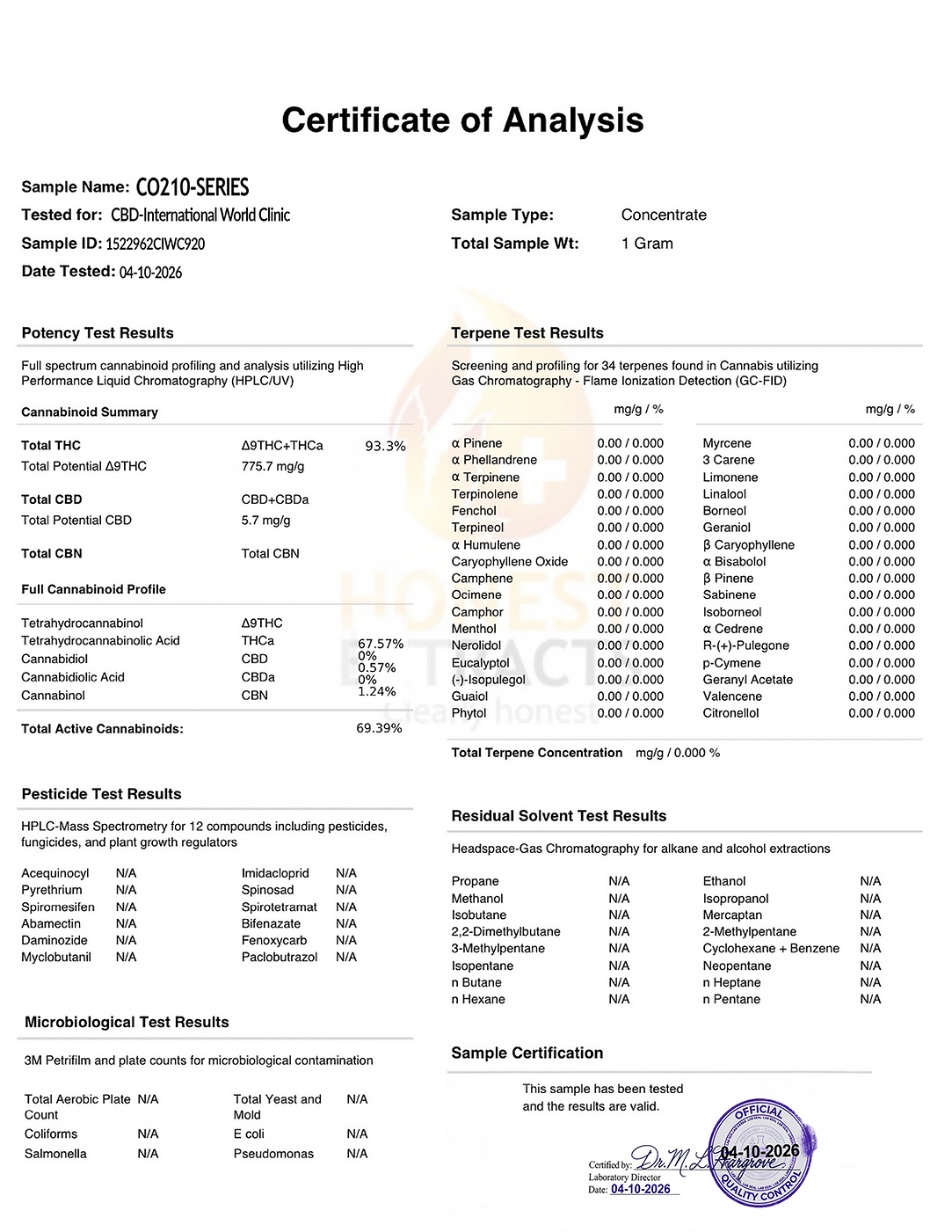
Active (COA) - Certificate of Analysis
Still Have Questions?
We're here to help.
Reach out and a member of our care team will respond within one business day.